
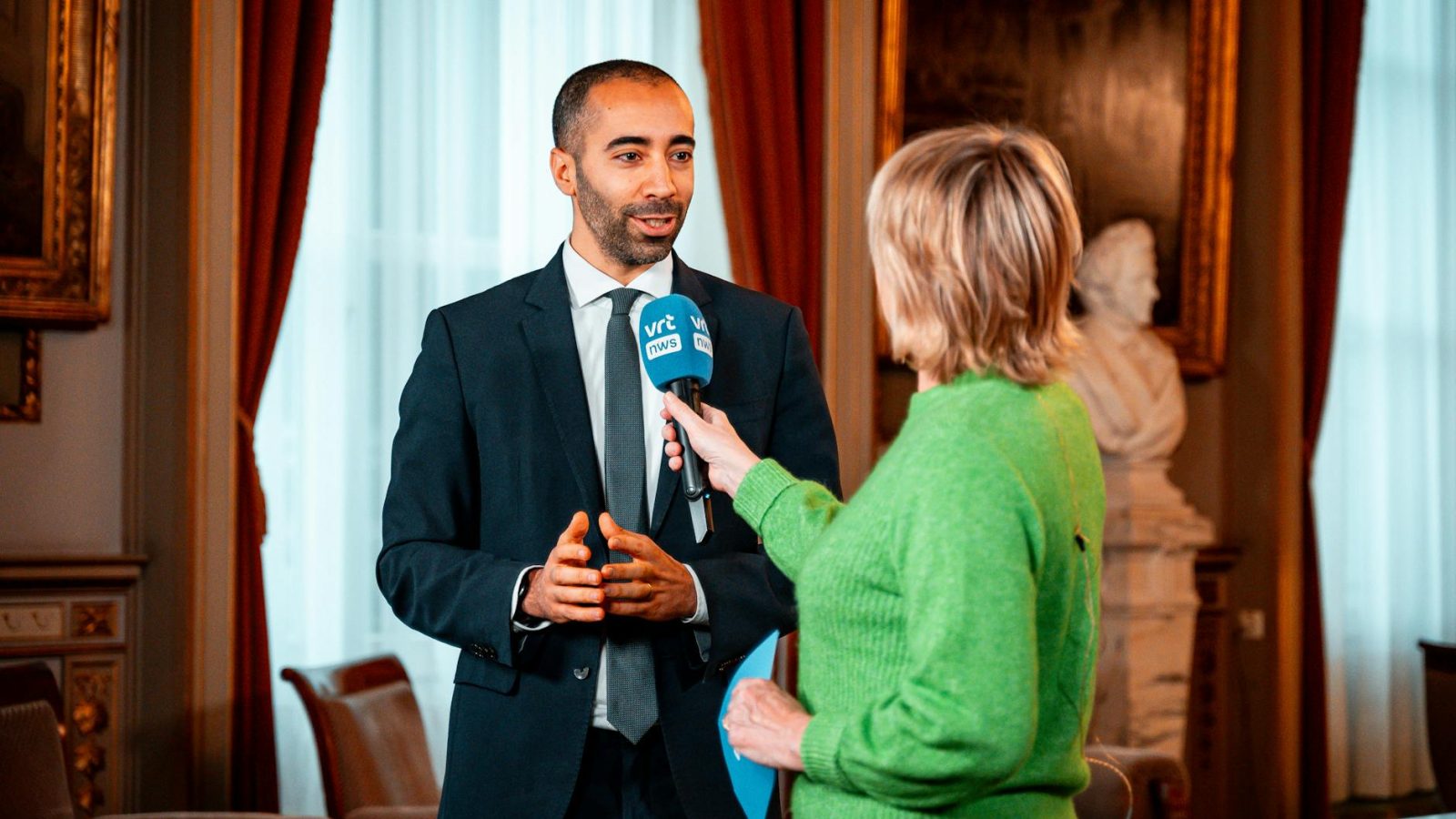
HARO (Help A Reporter Out) and its successors like Featured.com connect journalists seeking expert sources with people who have relevant expertise. For Singapore businesses, systematic HARO response can produce 5-20+ high-authority editorial backlinks per month — at scale, one of the most cost-effective authority-building tactics available.
This guide covers HARO strategy for Singapore businesses.
What HARO and Featured.com Are
HARO (Help A Reporter Out): Originally launched 2008. Connects journalists writing stories with potential sources. Cision acquired and ran it; in 2024, transitioned to a new platform called Connectively, then largely sunset.
Featured.com: Modern HARO alternative. Active platform with substantial journalist activity.
Other journalist outreach platforms:
– Qwoted
– SourceBottle
– Source of Sources (Peter Shankman’s HARO successor)
– HelpAB2BWriter (B2B-focused)
For Singapore businesses, Featured.com is currently most active. Other platforms supplement.
How HARO/Featured.com Work
Process:
1. Journalists post queries seeking expert sources for stories
2. Subject-matter experts respond with substantive answers
3. Journalists select responses to include in their articles
4. Selected sources receive editorial citation, often with backlink

For Singapore businesses with genuine expertise in any area, systematic response produces consistent editorial coverage.
Why HARO Strategy Works
Editorial-quality backlinks at scale. Coverage in publications with real journalistic standards — substantively better than purchased or generic links.
Authority compounding. Each citation reinforces expert positioning. Cumulative coverage builds entity authority over time.
Cost-effective. Time investment vs equivalent value of editorial coverage strongly favourable.
Brand visibility beyond SEO. Coverage produces awareness, credibility, occasional direct business opportunities.
Low barrier to start. Free or low-cost platform access; only investment required is time.
Singapore-Specific HARO Considerations
While HARO is US-centric, opportunities exist for SG businesses:

Global publications. Many opportunities are publication-agnostic. SG-based experts can respond to US, UK, AU queries on global topics.
SG-relevant queries. Some queries specifically seek APAC/Singapore perspective. SG businesses have geographic advantage.
Time zone arbitrage. SG time zone allows fast morning response to overnight US/UK queries.
Niche expertise. Less-saturated SG-specific niches can yield consistent placement.
HARO Response Strategy
Setup
- Create account on Featured.com (and other relevant platforms)
- Configure preferences for relevant query categories
- Set up email notifications for matching queries
- Establish response workflow
Response Workflow
For each relevant query:
1. Read the query carefully. What’s the journalist actually looking for? What angle?
2. Determine genuine fit. Do you have substantive expertise on this specific topic? Skip queries you can’t authentically address.
3. Write substantive response. Not bullet points; substantive contribution journalist can use directly.
4. Lead with the most quotable line. Journalists often use opening sentences. Make them quotable.
5. Include relevant credentials. Brief bio relevant to the query.
6. Submit promptly. Many queries get hundreds of responses. Early high-quality responses get priority consideration.
7. Track responses and outcomes. Measure conversion rate from responses to citations.
Response Templates (Don’t Over-Use)
While templates speed responses, journalists detect template-driven responses easily. Customise substantially per query.
Effective patterns:
– Specific contrarian view backed by reasoning
– Specific tactical advice with concrete examples
– Industry insider perspective unavailable elsewhere
– Singapore-specific context where relevant
Avoid:
– Generic answers applicable to anything
– Marketing-speak for your business
– Lengthy responses without substantive content
– Self-promotional pitches
What Makes Responses Win Citations
Patterns of selected responses:

Specificity. Concrete examples, specific data, verifiable claims.
Original perspective. New angle journalists can’t get from generic sources.
Quotable construction. Sentences journalists can drop directly into articles.
Relevant credentials. Authority signal beyond just claiming expertise.
Timely response. Speed matters; many queries close within 24 hours.
Direct relevance. Exactly addresses what the journalist asked.
What Loses Citations
Generic answers. Could be from anyone; nothing distinctive.
Self-promotional pitches. Journalists recognise and ignore these.
Slow responses. Queries close fast; late responses miss.
Inappropriate fit. Responding to queries outside your expertise.
Marketing language. Buzzword-heavy responses without substance.
Excessive length. Walls of text journalists won’t read.
Time Investment and Realistic Outcomes
For systematic HARO/Featured.com response:

Time: 30-60 minutes daily reviewing queries + responding to fits.
Response volume: 5-15 substantive responses weekly.
Citation rate: Typically 10-25% of responses produce citations for active practitioners with genuine expertise.
Backlinks earned: 3-10+ per month with consistent practice.
Quality: Editorial backlinks from publications with real readership and authority.
Time to first citation: Often within first 2 weeks of consistent practice.
For comparison: equivalent editorial coverage through other channels (digital PR, conference speaking) costs substantially more time and money.
Common HARO Mistakes
Inconsistent practice. Sporadic responses produce minimal results. Daily systematic engagement required.
Over-selling in responses. Treating HARO as advertising channel rather than expertise platform.
Generic templated responses. Detected easily; ignored consistently.
Responding to everything. Focus on queries genuinely matching expertise.
No tracking. Not measuring response volume vs citation rate; can’t optimise.
Missing publication of coverage. Citations earned without amplification through owned channels.
HARO at Scale — Team Approach
For businesses wanting more aggressive HARO strategy:
Single-expert approach: Founder or CEO responds personally. Builds personal brand alongside business authority.
Multi-expert approach: Multiple subject-matter experts at company respond per their specialisations. Distributes time investment.
Outsourced approach: External support drafts responses based on input from internal experts. Risk: quality dilution, missed nuance.
For most SG SMBs, single-expert founder-led works best. Larger organisations use multi-expert approach.
Featured.com vs Other Platforms
Featured.com: Currently most active for SG/global use. Subscription model.
Qwoted: Smaller but quality-focused. PR professional-oriented.
SourceBottle: Australian-focused; useful for AU coverage.
HelpAB2BWriter: B2B-focused; quality-focused community.
Source of Sources: Free; smaller volume than Featured.
For most SG businesses, Featured.com primary + occasional supplementary use of others.
Pricing and ROI
Platform costs: SGD 0-200/month depending on tier (free tiers exist).
Time investment: ~15-30 hours/month at active practice.
Equivalent value: Editorial backlinks at HARO scale would cost SGD 15,000-50,000+/month if commissioned from PR agencies.
For solo founders or small teams, HARO is among the highest-ROI authority tactics available.
FAQ — HARO Singapore Strategy
Is HARO still active in 2026?
The original HARO sunset; Featured.com is the active modern equivalent. Other platforms (Qwoted, etc.) supplement.
Does HARO work for Singapore businesses?
Yes. Many queries are publication-agnostic. SG-specific queries provide additional opportunity.
How long until I see results from HARO?
First citations often within 2 weeks of consistent practice. Compounding authority over months.
How much time does HARO require?
30-60 minutes daily for active practice. 5-15 substantive responses weekly.
Can I outsource HARO responses?
Possible but quality typically suffers. Internal expert-led responses produce better citation rates.
What’s the citation rate from HARO responses?
10-25% typical for active practitioners with genuine expertise. Lower for generic responses; higher for specific topical depth.
Is HARO better than other link building tactics?
For cost-effective sustained editorial coverage — among the best. Not replacement for other tactics; complementary.
Discuss Your Authority Building
If you want strategic conversation about authority building for your Singapore business, reach out.
Book a free 30-minute consultation or email [email protected].
Related Reading
- Link Building Singapore — broader link building
- Digital PR Singapore — earned editorial coverage
- Digital PR Services — full PR methodology
- Off-Page SEO Services — broader off-page methodology
- Brand Mentions and Unlinked Citations — adjacent tactic
- Complete Guide to SEO in Singapore — pillar overview