Singapore is genuinely multilingual. Significant search volume exists in Mandarin, Malay, and Tamil for various categories — volume that English-only sites systematically miss. For specific verticals, multilingual SEO is meaningful additional traffic; for others, English suffices entirely.
This guide covers when multilingual SEO matters for Singapore businesses, which languages to prioritise per category, and how to implement multilingual content strategy effectively. It assumes you have already done commercial keyword research for your primary market and want to extend into additional languages.
When Multilingual SEO Matters for SG Businesses
Categories where multilingual matters substantially:
- F&B and food — significant Mandarin search volume
- Beauty and skincare — Mandarin for Chinese-Singaporean and tourist-Chinese audiences
- Healthcare and medical — Mandarin for older demographics, Tamil and Malay for community-specific services
- Lifestyle and fashion — Mandarin for Chinese-Singaporean audience
- Tourism and hospitality — multilingual for tourist source markets
- Religious and cultural services — language-specific community focus
- Education for younger children — parent-language preferences vary
- Real estate — Mandarin significant for Chinese-Singaporean buyer base
Categories where English typically suffices:
- B2B SaaS and software
- B2B services targeting business buyers
- Professional services (corporate clients)
- Tech and IT
- Most commercial-only e-commerce
- Modern lifestyle brands targeting English-fluent demographics
Singapore Language Landscape
Approximate population breakdown (varies by source):
– English: universal business/government language; ~70%+ everyday use
– Mandarin Chinese: significant community language for ~40% of population
– Malay: national language; significant community presence
– Tamil: significant community language for Indian-Singaporean population
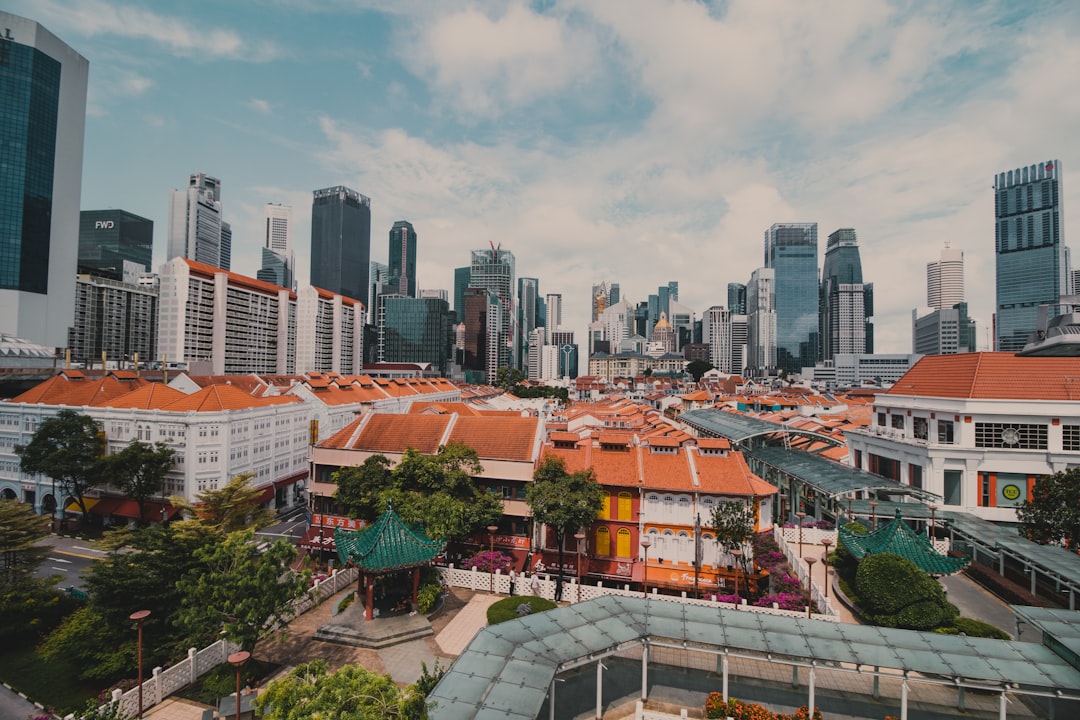
Key insight: most Singaporeans are bilingual or multilingual. The question isn’t “does this audience speak English” (most do) but “which language do they prefer for this content type.”
Mandarin Chinese SEO Singapore
Significant Mandarin search volume exists for:
- F&B — restaurant types, dishes, recipes (older Chinese-Singapore demographic + tourist Chinese)
- Healthcare — TCM, traditional medicine, conditions in Chinese terminology
- Beauty — skincare, beauty products, treatments
- Real estate — property purchase research from Chinese-Singapore community
- Tourist services — for visitors from Greater China region
- Education — Chinese-medium tuition, language learning
- Lifestyle — fashion, dining, entertainment
Implementation considerations:
– Singapore Mandarin uses Simplified Chinese (vs Hong Kong’s Traditional)
– Some Singapore-specific terminology
– Native-speaker editorial mandatory
– hreflang: zh-sg
Malay SEO Singapore
Malay search volume exists for:
- Halal F&B — restaurant searches from Malay community
- Religious services — Islamic religious services, education
- Cultural services — Malay weddings, cultural events
- Community-specific products and services
- Healthcare — for Malay community comfort with native-language information
Implementation considerations:
– Bahasa Melayu (Singapore variant)
– Smaller search volume than Mandarin but meaningful for relevant verticals
– Native-speaker editorial
– hreflang: ms-sg
Tamil SEO Singapore
Tamil search volume exists for:
- Indian community services — Indian weddings, cultural events
- Indian F&B — Indian restaurants, ingredients, recipes
- Religious services — Hindu temple-related, religious products
- Community-specific healthcare — for Tamil community comfort
Implementation considerations:
– Smaller search volume than Mandarin/Malay
– Strategic for specific community-focused businesses
– Native-speaker editorial
– hreflang: ta-sg
Implementation Strategy
Decision: Which Languages?
Audit your business:
– Who are your customers (existing and target)?
– Which languages do they search in for your category?
– Where is search volume actually present (Ahrefs/Semrush analysis)?
– Which languages does your team have capability for?
Most multilingual SG SEO programmes start with English + Mandarin (highest secondary search volume). Add Malay or Tamil for community-specific verticals.
URL Structure
For multilingual within Singapore market:
Subdirectory by language typical:
– example.com/ (English default)
– example.com/zh/ (Mandarin)
– example.com/ms/ (Malay)
– example.com/ta/ (Tamil)
Subdirectories with hreflang declaring language-region targeting (en-sg, zh-sg, ms-sg, ta-sg).
Content Production
Multilingual content requires native-speaker production. Translation alone produces unnatural content that ranks poorly and converts poorly.
Three approaches:
– Native-speaker content production — best results
– Translation + native-speaker editorial review — middle ground
– Translation alone — usually inadequate
For business-critical content, invest in native production.
Content Strategy Per Language
Not all content needs to exist in all languages. Strategic prioritisation:
- Highest commercial value content in all target languages
- Cultural/community-specific content in relevant language only (Mandarin content for Mandarin-relevant topics, etc.)
- Universal informational content in English with selective translation
Schema and Technical SEO
- Hreflang implementation per language version
- Language metadata in HTML (
<html lang="zh-SG">) - Schema markup with appropriate language indicators
- Search Console set up per language version
See Hreflang Implementation Guide and Technical SEO Audit Singapore.
Common Multilingual SEO Mistakes
Translating without native review.
Machine or low-quality translation produces unnatural content that ranks poorly.
Using wrong character set.
Traditional Chinese for Singapore audience (Singapore uses Simplified). Confusion in transliteration of Indian languages.
Missing hreflang or wrong implementation.
Multilingual content without hreflang competes against itself.
Equal investment across languages without strategic basis.
Investing equally in Mandarin and Tamil without considering relative search volume per category wastes resources.
No cultural adaptation alongside translation.
References, examples, cultural context all need adaptation, not just language.
Pricing for Multilingual SEO Singapore
- English + Mandarin programme: SGD 5,000-12,000/month
- English + multiple secondary languages: SGD 7,000-18,000/month
- Comprehensive multilingual programme: SGD 10,000-25,000+/month

See How Much Does SEO Cost in Singapore? for context.
FAQ — Multilingual SEO Singapore
Do I need multilingual SEO for my Singapore business?
Depends on category. F&B, beauty, healthcare, real estate, tourism, lifestyle — often yes. B2B SaaS, professional services targeting business buyers — usually English suffices.
Which non-English language has highest SEO value in Singapore?
Mandarin typically (largest secondary language community). Malay and Tamil for specific community-focused verticals.
Can I use Google Translate for multilingual content?
Translation tools have improved dramatically but still produce content needing substantial native-speaker editorial. Google Translate output shipped raw doesn’t rank well.
Should I do multilingual content if my budget is limited?
Focus budget on language-content combinations with clear commercial value. Strategic Mandarin content for high-value topics often produces better ROI than spread-thin multilingual investment.
How does Singapore Mandarin differ from China Mandarin?
Same core language, written in Simplified Chinese characters. Singapore uses some specific terminology and references. Native-Singapore-Mandarin editorial preferred over generic Mandarin.
Do I need multilingual SEO if my customers all speak English?
If your customers actually all speak English and choose to search in English — no. If you’re assuming this without evidence — investigate first.
Can I add multilingual later?
Yes, multilingual SEO can be added incrementally. Start with English; add languages as commercial case warrants.
Discuss Your Multilingual SEO
If you’re evaluating multilingual SEO for your Singapore business, reach out for strategic conversation about which languages would actually drive business outcomes.
Book a free 30-minute consultation or email [email protected].
Related Reading
- Complete Guide to SEO in Singapore — pillar overview
- Local SEO Services Singapore — local SEO foundation
- Hreflang Implementation Guide — multilingual technical setup
- International SEO Services — broader multi-market work
- SEO Consultancy Services — strategic advisory