
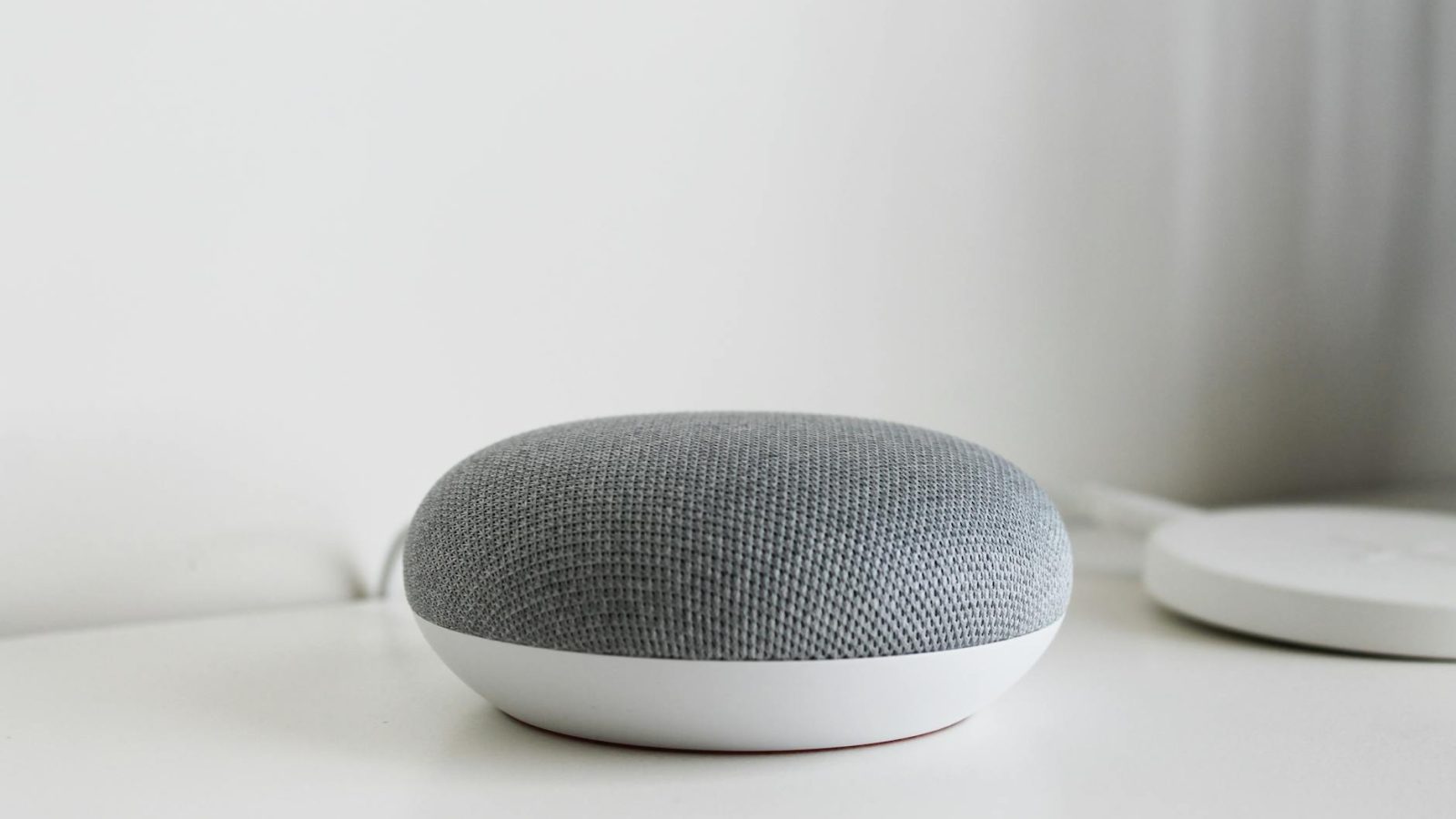
Voice commerce was supposed to be a SGD 40 billion market by 2022. It wasn’t. The projections from 2017-2019 assumed smart speakers would become the dominant transaction surface for everyday purchases, and that never materialised — at least not in the way analysts predicted. What actually happened is far narrower and more useful to understand.
Voice-driven purchasing is real, but it lives in a specific corner of ecommerce: repeat orders, simple commodities, and hands-free reordering of things people already buy. If your Singapore brand sells complex-consideration products (furniture, fashion, electronics with specs to compare), voice commerce optimisation is not your priority. If you sell consumables, pet food, household supplies, or services with predictable repeat demand, there’s genuine opportunity — but it flows through Amazon Alexa, Google Assistant, and increasingly through conversational AI interfaces, not through independent voice apps.
This article cuts through the remaining hype and covers what voice commerce SEO actually looks like in 2026, where Singapore brands should and shouldn’t invest, and how the discipline integrates with broader ecommerce SEO rather than standing apart from it.
What Voice Commerce Actually Looks Like in 2026
The ambitious version of voice commerce imagined by early predictions — “Alexa, order me a pair of black leather oxfords, size 43, that will arrive by Friday” — remains rare. What’s common is narrower and more functional.
Reorders and Commodities
The dominant use case is reordering items the user has bought before. Amazon Alexa’s strongest voice commerce surface is “reorder [product]” which pulls from purchase history. Google Assistant handles similar flows for Google Shopping accounts. These reorders are overwhelmingly for consumables: household paper products, pet food, diapers, bottled water, coffee capsules, laundry supplies.
Voice-Initiated, Screen-Completed
The more realistic pattern is voice as entry point, not full transaction. Users ask their assistant a question (“what’s a good hand cream under SGD 50?”), receive a shortlist, then complete the purchase on their phone or desktop. This hybrid pattern is genuinely growing and matters for SEO strategy because it puts a premium on answer-friendly content.
Conversational AI Shopping
Since 2024, a newer surface has emerged: conversational AI assistants (ChatGPT’s shopping features, Gemini, Perplexity) recommending products in response to open-ended queries. This sits closer to answer engine optimisation and generative engine optimisation than to classical voice commerce, but the optimisation patterns overlap significantly.
Why Voice Commerce Stayed Narrow
Three reasons explain why voice didn’t replace screens for shopping.
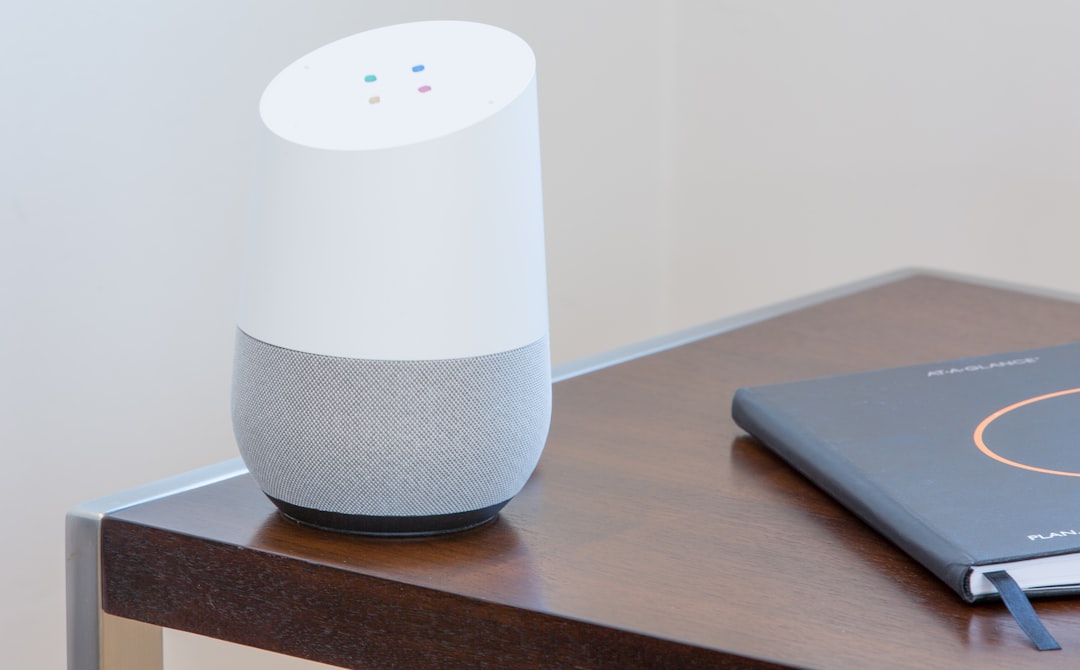
Visual verification. Most purchase decisions involve comparing options visually — product images, specifications, colours, reviews. Audio is a poor medium for comparison. You can describe three sofas to a user, but they can’t visualise the difference without seeing them.
Trust and correction. When a user says “order toothpaste,” they usually mean a specific brand, size, and flavour they’ve bought before. Error correction in voice interfaces is slow. Users learned quickly that it was faster to tap through an app than to verbally disambiguate.
Payment friction. Voice payment confirmation is awkward in public and perceived as insecure. Even at home, users often prefer the final tap-to-confirm that a visual interface provides.
None of this means voice commerce is dead. It means the opportunity is specific, not universal.
Where Voice Commerce Optimisation Actually Works
For Singapore brands considering voice commerce investment, here’s where it matters.
FMCG and Repeat-Purchase Consumables
Brands selling products people buy on a 2-8 week cycle — pet food, coffee, supplements, cleaning supplies, baby products — should ensure their products are discoverable and orderable through Amazon’s Alexa Shopping and Google Shopping voice flows. This is less about traditional SEO and more about marketplace optimisation: product feed quality, clear naming, correct categorisation, consistent SKU mapping.
Service Booking
Voice works reasonably well for simple booking intents: “book a table at [restaurant],” “schedule a cleaning service.” If you run a service business with a bookable calendar, integration with Google Business Profile, Reserve with Google, and structured schema markup enables voice-initiated booking.
Location-Based Commerce
“Find me a bubble tea shop near Bugis” is a voice query that still converts. This is classic local SEO — Google Business Profile completeness, accurate NAP, strong review volume — rather than anything voice-specific.
Content Optimisation Patterns That Translate
Even if pure voice commerce remains narrow, the content patterns that support voice discovery overlap heavily with patterns that perform in AI Overviews, People Also Ask, and featured snippets. This is where the investment pays across multiple surfaces.
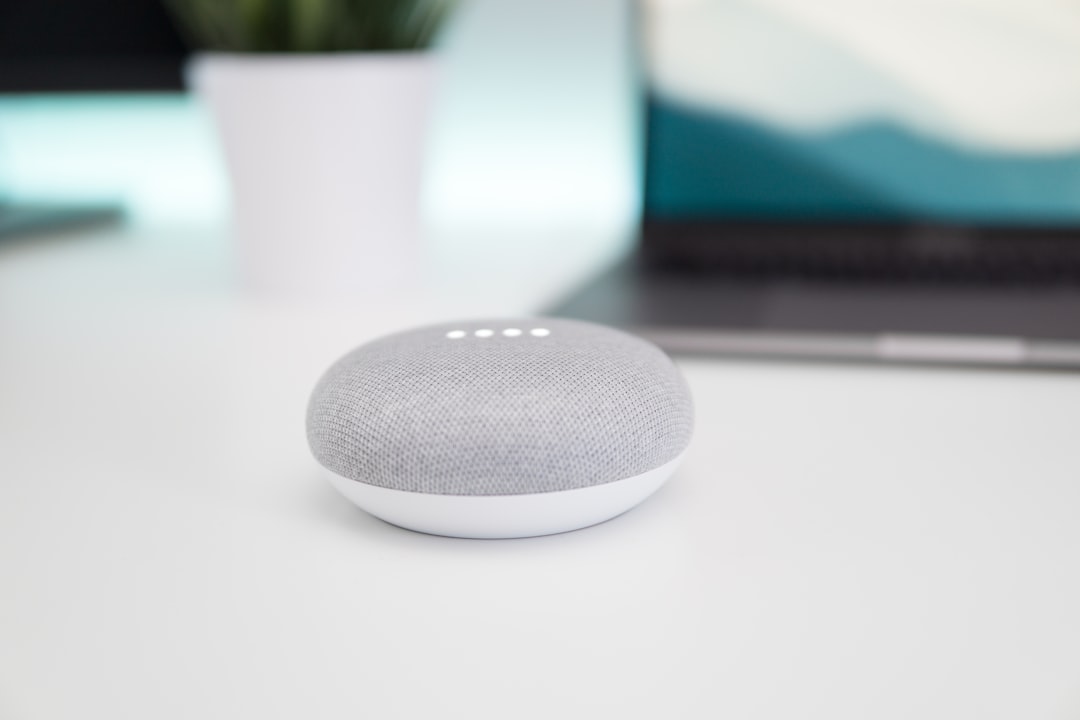
Natural-Language Question Answering
Write content that directly answers questions in the way people ask them verbally. “How much does a house cleaning service cost in Singapore?” is a voice-style query. A paragraph opening with “House cleaning services in Singapore typically cost SGD 25-45 per hour depending on…” gives both voice assistants and AI Overviews a clean passage to quote.
Concise Answer Blocks
Voice responses are typically 29-40 seconds — roughly 80-100 words. Structure the first paragraph under each H2 as a self-contained answer. Supporting detail follows. This pattern serves voice, featured snippets, and AI Overview citations equally.
Structured Data
Product schema, FAQ schema, LocalBusiness schema, and Recipe schema feed structured information into surfaces voice assistants use. For Singapore ecommerce brands, Product schema with price, availability, and review data is the minimum requirement. See our schema markup implementation guide for specifics.
Conversational Long-Tail Coverage
Voice queries run longer than typed queries (average 6-9 words vs 2-4). Covering question-based long-tail — the “how do I,” “what’s the best,” “where can I” phrasings — captures voice intent and serves broader voice search SEO objectives.
What Voice Commerce SEO Is Not
Several things get sold as voice commerce SEO that aren’t worth the spend for most Singapore brands.
Custom Alexa Skills and Google Actions. Building a branded voice app was heavily pushed 2018-2021. Usage numbers are low. Unless you have a very specific repeat-use case (a banking app, a news briefing, a media brand), skip this.
Voice-only keyword research tools. Voice keyword data largely tracks typed long-tail keyword data with minor variations. Specialist tools add little your existing SEO stack doesn’t cover.
Voice SEO “certifications” and agency retainers. If an agency pitches voice SEO as a standalone service with its own monthly retainer, question what they’re actually delivering. Voice optimisation worth doing is usually a by-product of solid content and technical SEO.
Realistic Investment Levels
For most Singapore brands, voice commerce optimisation is a lightweight overlay on existing ecommerce SEO work, not a separate budget line.
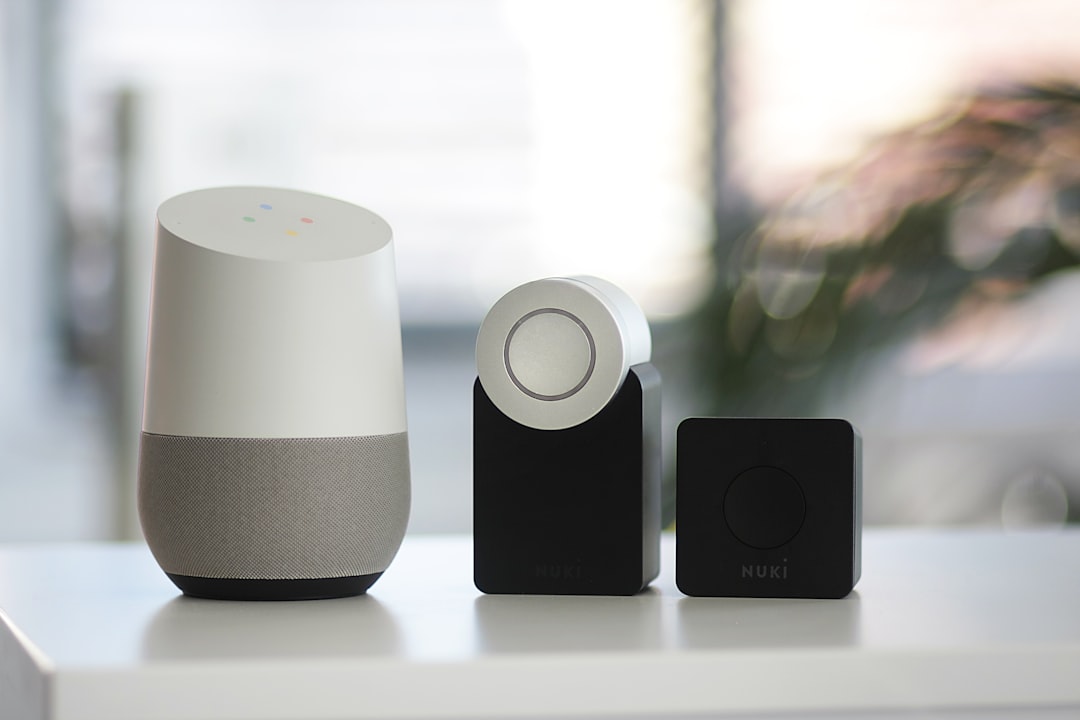
- FMCG/consumables brand: marketplace feed optimisation and voice-ready product data — often absorbed within existing ecommerce management, SGD 1,500-4,000/month depending on SKU count.
- Service business with booking intent: local SEO and booking integration work, SGD 2,000-5,000/month.
- Content-led brand capturing voice-adjacent queries: content strategy covers voice as a by-product; no separate line item needed.
If budget is constrained, skip dedicated voice spend and focus on AEO and content quality. These produce voice benefits as a side effect while also capturing AI Overview, PAA, and featured snippet opportunities. See our complete SEO pricing guide for Singapore for broader context.
Measuring Voice Commerce Impact
Honest answer: direct attribution is difficult. Voice queries often don’t produce referrer data, assistants don’t expose analytics to brands, and users who start on voice frequently finish on another device.
Proxies that work:
- Marketplace sales patterns: for Amazon-integrated brands, voice-initiated reorders appear in seller reports.
- Branded voice query volume: Google Search Console shows query text; conversational, long-form queries often indicate voice origin.
- Assistant-specific conversions: Google Assistant bookings through Reserve with Google are trackable.
- AI Overview citations and featured snippet capture: these correlate with voice-friendly content and are measurable.
Don’t promise voice-specific ROI numbers you can’t verify. Frame voice as part of answer-surface strategy, not a discrete channel.
FAQ — Voice Commerce SEO
Is voice commerce worth investing in for a Singapore SME in 2026?
For most SMEs, no — not as a standalone initiative. The exceptions are FMCG brands on Amazon, service businesses with bookable calendars, and local businesses competing on proximity queries. For these, voice optimisation overlaps enough with standard local and ecommerce SEO that it’s absorbed into existing work.
What percentage of ecommerce actually happens through voice?
Industry estimates put pure voice transactions at roughly 1-3% of ecommerce globally, concentrated in repeat-purchase consumables. Voice-assisted shopping (where voice is involved but purchase completes on screen) is larger but harder to isolate. It’s real but far smaller than 2018-era predictions suggested.
Does Alexa work in Singapore?
Amazon’s full Alexa Shopping features are more limited in Singapore than in the US and UK. Google Assistant and Siri have broader functional parity. For Singapore brands, Google Assistant and Apple ecosystem integration typically matter more than Alexa-specific optimisation.
Should I build a custom voice app for my brand?
Almost always no. Voice app usage has collapsed over the past five years — most consumers don’t browse voice app stores or install branded skills. Exceptions are narrow: banking, news, specific media properties, or internal enterprise applications.
How does voice commerce relate to AI Overviews and ChatGPT shopping?
The underlying optimisation patterns overlap heavily. Natural-language question answering, structured data, clear pricing, and authoritative content serve all three. If you’re investing in AEO and GEO, you’re also doing most of what matters for voice.
What schema markup matters most for voice commerce?
Product schema with price, availability, brand, and aggregateRating for ecommerce. LocalBusiness schema for service businesses. FAQ schema for content-led brands. Recipe schema if applicable. These are the same structured data investments that serve traditional SEO — no voice-exclusive schema is worth prioritising.
Can voice optimisation help my B2B brand?
Minimally. Voice commerce patterns are overwhelmingly consumer. B2B buying processes involve multi-stakeholder evaluation, document review, and long consideration cycles that voice doesn’t serve well. Your B2B SEO investment should go elsewhere.
What should I actually do tomorrow if I sell consumables online?
Audit your Amazon or Shopee product listings for voice-friendliness — clear product names, correct category, no awkward SKU strings in user-facing fields. Ensure Google Shopping product feed is clean. Add Product schema to your own product pages. That covers 80% of realistic voice commerce upside.
Discuss Your Voice Commerce Strategy
If you’re weighing how much to invest in voice commerce optimisation versus other SEO priorities — or suspect an agency is overselling voice as a discrete service — a strategic conversation can clarify where your budget actually belongs.
Book a free 30-minute consultation or email [email protected].
Related Reading
- AI Overviews Optimization — answer-surface optimisation that overlaps with voice.
- What Is AEO? — answer engine optimisation foundations.
- Voice Search SEO Singapore — companion guide on voice search itself.
- Schema Markup Implementation — structured data that feeds voice surfaces.
- E-commerce SEO Services — ecommerce SEO context for voice-adjacent work.
- Complete Guide to SEO Singapore — full SEO pillar overview.