

Topic cluster strategy is widely discussed but inconsistently executed. Many businesses understand the pillar/cluster concept but struggle to translate it into actual content production at scale. This guide covers the practical implementation work — from cluster mapping through internal linking architecture to ongoing maintenance.
Topic Cluster Strategy Recap
Quick refresh:
Pillar content — comprehensive piece covering a major topic at definitive depth.
Cluster content — supporting posts each covering specific aspect of the pillar topic.
Internal linking — pillar links to clusters; clusters link back to pillar; clusters link laterally where natural.
The result: topical authority that compounds across the entire cluster, plus capture of long-tail traffic across the topic area.
For pillar strategy foundation, see Pillar Content Strategy.
Cluster Mapping Process
Before producing content, map your clusters thoroughly.
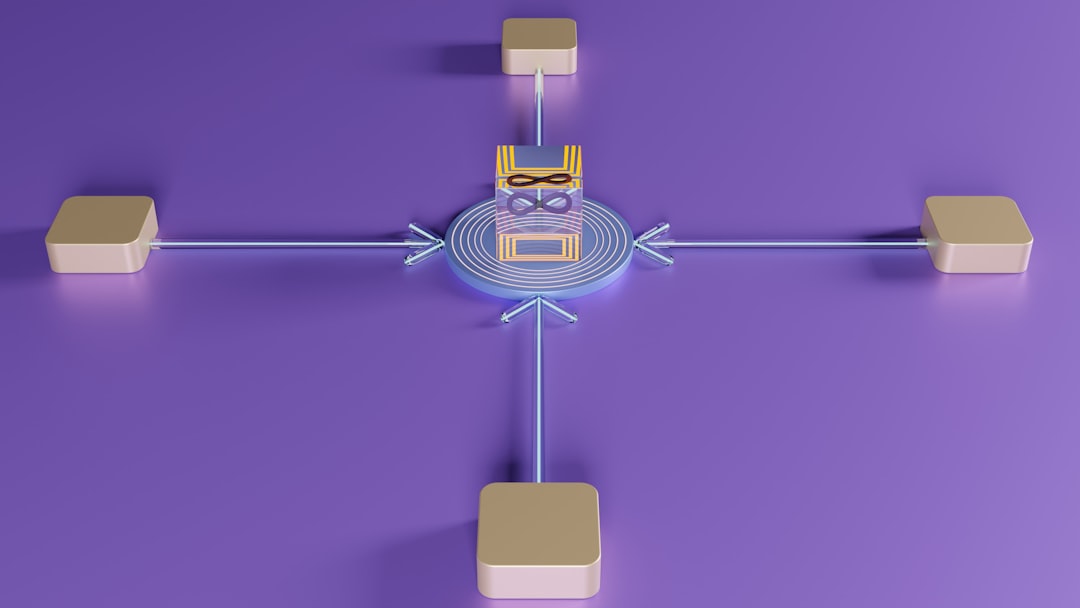
Step 1: Identify Pillar Topic
For each pillar:
– What’s the broad topic area?
– What’s the primary target keyword?
– What commercial intent does this topic serve?
Example: Pillar topic “SEO in Singapore,” primary target “seo singapore,” commercial intent: businesses considering SEO investment.
Step 2: Generate Cluster Topic Universe
For each pillar, identify cluster topic candidates:
Sources for cluster topics:
– Keyword research within the pillar topic
– “People Also Ask” boxes for primary keyword
– Related searches at SERP bottom
– Subtopic patterns in successful competitor content
– Customer questions from sales/support interactions
– Long-tail keyword variations
Aim for 15-30 candidate cluster topics per pillar; prioritise to 8-15 for actual production.
Step 3: Cluster Topic Prioritisation
Score candidates on:
Search demand — sufficient search volume for the topic to be worth producing
Commercial intent — does the topic align with commercial outcomes?
Competitive achievability — can you credibly rank for this topic?
Strategic fit — does this topic meaningfully contribute to pillar authority?
Prioritise top 8-15 for initial production.
Step 4: Cluster Architecture Mapping
Map relationships:
– Which cluster posts link to which pillar
– How cluster posts link to each other (lateral connections)
– What anchor text patterns make sense
– Which cluster posts deserve their own sub-clusters (creating multi-level architecture)
Visualise this — even a simple spreadsheet showing pillar-to-cluster relationships helps execution clarity.
Content Production Sequence
Execution sequence matters. Recommended order:
Sequence 1: Pillar First, Then Clusters
Approach: Publish comprehensive pillar first; produce supporting clusters subsequently.
Pros: Pillar establishes authority foundation; clusters benefit from existing pillar.
Cons: Pillar production timeline is long; clusters delayed.
Best for: Established sites with existing authority who can afford pillar investment first.
Sequence 2: Clusters First, Then Pillar
Approach: Publish cluster posts first; pillar published once cluster foundation exists.
Pros: Faster initial publication; pillar can synthesise learnings from cluster performance.
Cons: Internal linking less effective until pillar exists.
Best for: Sites building authority from low base.
Sequence 3: Parallel Production
Approach: Pillar and clusters produced simultaneously over months.
Pros: Architecture comes together coherently.
Cons: Coordination complexity; resource intensity.
Best for: Sites with substantial content production capacity.
For most SG businesses, Sequence 2 (clusters first, then pillar) is most achievable and produces fastest results.
Internal Linking Architecture Implementation
The internal linking strategy makes or breaks topic cluster effectiveness.

Pillar-to-Cluster Links
Pillar content should link to every cluster post within natural context.
Don’t:
– Stack all cluster links in one “related reading” section
– Use generic “click here” anchor text
– Force cluster links into unnatural positions
Do:
– Link to clusters within relevant content sections
– Use natural, descriptive anchor text
– Reference clusters where readers would naturally want to dive deeper
Cluster-to-Pillar Links
Every cluster post should link back to its pillar with strong anchor text.
Recommended: 1-3 in-content links per cluster post pointing to pillar.
Lateral Cluster-to-Cluster Links
Cluster posts should link to each other where topically natural.
For example, cluster post “SEO Pricing Singapore” should link to “SEO Expert Singapore” if discussing senior consultant pricing.
This creates web of internal links signalling topical relationships to search engines.
Anchor Text Strategy
Avoid over-optimisation:
– Mix of exact-match, partial-match, brand, and contextual anchors
– Natural language that fits content
– No anchor text manipulation patterns
Ongoing Cluster Maintenance
Topic clusters require maintenance, not just initial production.
Monthly Maintenance
- New cluster post additions linked into pillar
- Internal link audits as content evolves
- Performance monitoring per cluster post
Quarterly Maintenance
- Cluster topic gap analysis (what topics emerging deserve coverage?)
- Underperforming cluster post evaluation
- Refresh prioritisation
Annual Maintenance
- Major pillar refresh
- Cluster restructuring as topic landscape evolves
- Strategic reassessment of cluster priorities
Measuring Topic Cluster Success
Cluster-level metrics rather than just per-post metrics:
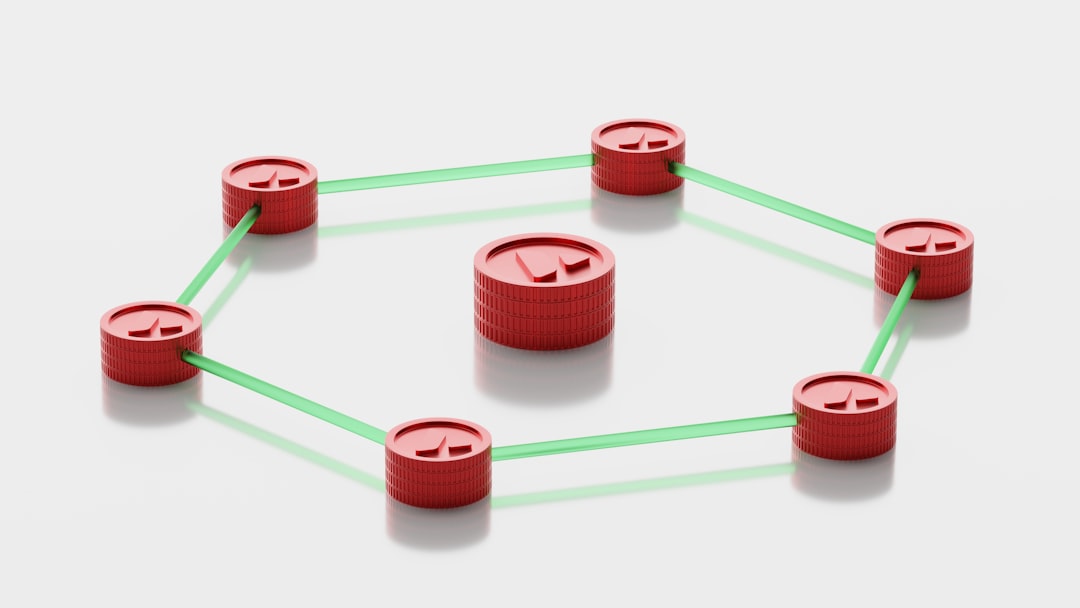
Cluster traffic. Total organic traffic across pillar + clusters. Sum reflects topical authority.
Cluster keyword coverage. How many keywords across the topic does the cluster rank for?
Pillar ranking trajectory. Pillar typically takes longest to rank; signals overall cluster maturity.
Internal link authority distribution. Are commercial priority posts receiving authority through cluster architecture?
Conversion rate by cluster. Different clusters have different commercial value. Measure accordingly.
Cluster maturity over time. Authority compounds; track trajectory across quarters.
Common Cluster Implementation Mistakes
Producing clusters without strategic mapping. Random content production without cluster intentionality.
No internal linking architecture. Producing pillar and cluster content without strategic linking misses most of the benefit.
Inconsistent cluster execution. Some clusters comprehensive, others sparse. Inconsistency dilutes overall authority.
Treating cluster as one-time project. Clusters require ongoing maintenance; don’t ship-and-forget.
Over-clustering. Trying to maintain 20+ clusters at once without resources. Focus on 4-6 substantial clusters initially.
Ignoring cluster performance differences. Some clusters work better than others; iterate based on data.
Pillar without clusters or vice versa. Either approach alone is suboptimal.
Tools for Cluster Implementation
Cluster mapping:
– Spreadsheets (often sufficient)
– Mind mapping tools (XMind, MindMeister)
– Specialised tools (Frase, SurferSEO)

Internal link tracking:
– Screaming Frog (audit existing internal links)
– Manual mapping in spreadsheets
– WordPress plugins for internal link suggestions
Performance tracking:
– Search Console for keyword performance
– GA4 for traffic patterns
– Ahrefs/Semrush for ranking trajectory
Pricing for Topic Cluster Implementation
- Cluster strategy and mapping: SGD 3,500-8,000 one-time
- Initial cluster production (pillar + 5-8 clusters): SGD 12,000-35,000
- Ongoing cluster development retainer: SGD 5,000-15,000/month
- Cluster audit and optimisation: SGD 2,500-6,000
See Content Marketing Services.
FAQ — Topic Cluster Implementation
How many topics clusters should my business have?
3-6 substantive clusters typical. More dilutes resource per cluster.
How long does cluster strategy take to produce results?
6-12 months for initial cluster authority. 12-24 months for substantial topical authority compounding.
Should I publish pillar first or clusters first?
Often easier to publish clusters first then pillar. Either approach works with proper internal linking.
Can existing content become topic clusters?
Yes — many sites have content that can be retrofitted into cluster architecture with strategic internal linking and selective new content production.
How many cluster posts per pillar?
8-15 typical. More for very broad pillars; fewer for narrower topics.
What if my cluster posts compete with my pillar?
Risk if cluster posts duplicate pillar coverage. Strategy: pillar comprehensive overview; clusters specific deep-dives that don’t compete.
Should I update old cluster posts?
Yes — annual refresh of underperforming posts often produces ranking improvements.
Discuss Your Cluster Strategy
If you want strategic conversation about topic cluster implementation for your Singapore business, reach out.
Book a free 30-minute consultation or email [email protected].
Related Reading
- Pillar Content Strategy — pillar foundation
- Content Marketing Services — full content methodology
- SEO Copywriting Services — content production
- Content Refresh Strategy — adjacent maintenance work
- Complete Guide to SEO in Singapore — example pillar