Search is changing faster than at any point in the last decade, and AEO is the term that’s trying to name the change. If you’ve seen “AEO” in marketing conversations recently and wondered what it actually means (versus yet another buzzword), this guide gives you the plain-English explanation.
We’ll cover what AEO is, how it differs from traditional SEO, why it matters commercially, how to do it in practice, and what to be skeptical of as the category matures.
What AEO Actually Stands For
AEO = Answer Engine Optimisation — the practice of optimising content to be cited, summarised, or surfaced by AI-powered answer engines.
The “answer engines” this refers to:
- Google AI Overviews — Google’s AI-generated answer summaries at the top of search results
- Perplexity — dedicated AI search engine that synthesises answers from web sources
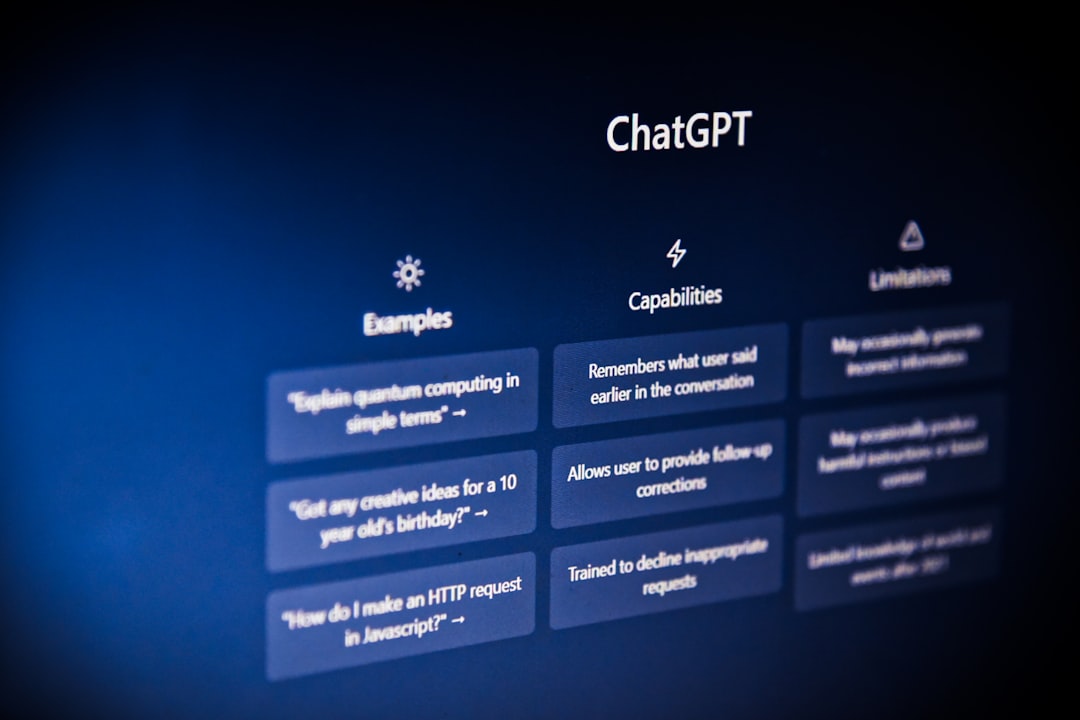
- ChatGPT Search — OpenAI’s search-enabled ChatGPT feature
- Claude (with web search) — Anthropic’s AI with web browsing
- Copilot (Bing-powered) — Microsoft’s AI search
- You.com, Brave Search, others — smaller but growing AI-powered engines
Unlike traditional Google search (which returns ranked lists of links for users to click), these engines read multiple sources and generate synthesised answers. The goal of AEO is for your content to be one of the sources cited in those answers.
Why AEO Exists Now
AEO emerged as a discipline because of structural changes in how people search:
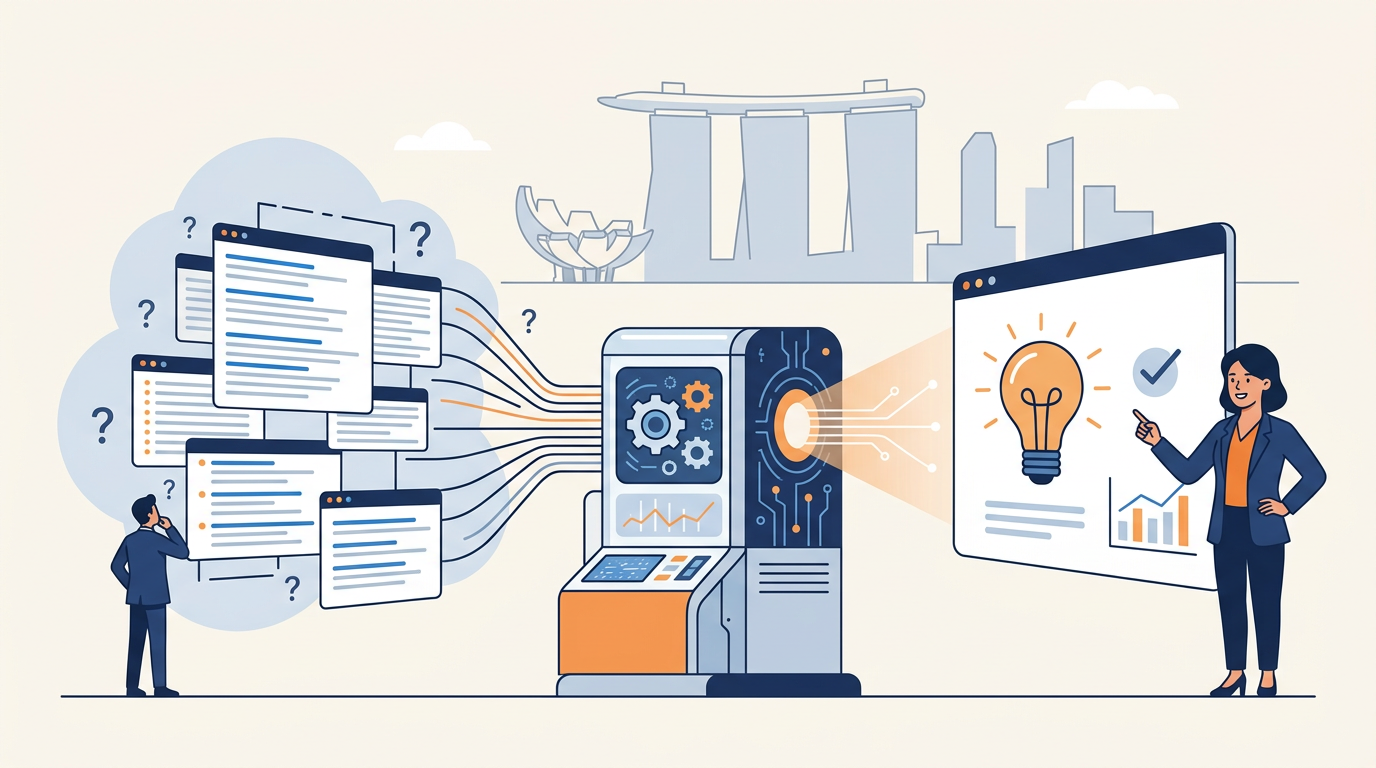
AI Overviews on Google. Google started showing AI-generated answer summaries on a growing share of queries — estimates range from 15% to over 30% depending on category. Where AI Overviews appear, traditional organic results sit below them.
Rise of standalone answer engines. Perplexity, ChatGPT Search, and Claude have absorbed queries that previously went to Google. Heavy users of these tools — often including technical, financial, and decision-maker audiences — discover information in fundamentally different ways.
Generative AI in knowledge work. Beyond search-replacement use cases, AI agents increasingly retrieve and cite content during multi-turn conversations and task workflows. Visibility across these surfaces represents a new category of organic discovery.
Combined, these shifts mean a meaningful share of the content discovery that used to happen through traditional SEO now happens through AI-mediated surfaces. Brands that adapt win this visibility; brands that ignore the shift lose it.
How AEO Differs from Traditional SEO
Both disciplines optimise content for organic discovery, but they differ in material ways:
| Dimension | Traditional SEO | AEO |
|---|---|---|
| Objective | Rank #1 in ranked search results | Be cited in AI-generated answers |
| Success signal | Position in SERP | Citation in AI output |
| User behaviour rewarded | Clicks to your site | Sometimes click, sometimes just brand impression |
| Ranking mechanism | Google algorithm (mostly deterministic) | LLM training + retrieval (less deterministic) |
| Measurement maturity | Mature (GSC, Analytics, Ahrefs rank tracking) | Emerging (mostly manual sampling) |
| Key content factors | Keywords, internal linking, depth | Answer structure, factual density, citation patterns |
Most of what’s true for SEO is also true for AEO — authority matters, content quality matters, technical foundations matter. But AEO adds specific patterns that traditional SEO didn’t require: answer-format content structures, citation-friendly source attribution, entity clarity, and structured data optimised for AI extraction.
For the traditional SEO view of this comparison, see our Complete Guide to SEO in Singapore.
What AEO Work Actually Looks Like
Practical AEO work falls into five areas:
1. Content Architecture for AI Extraction
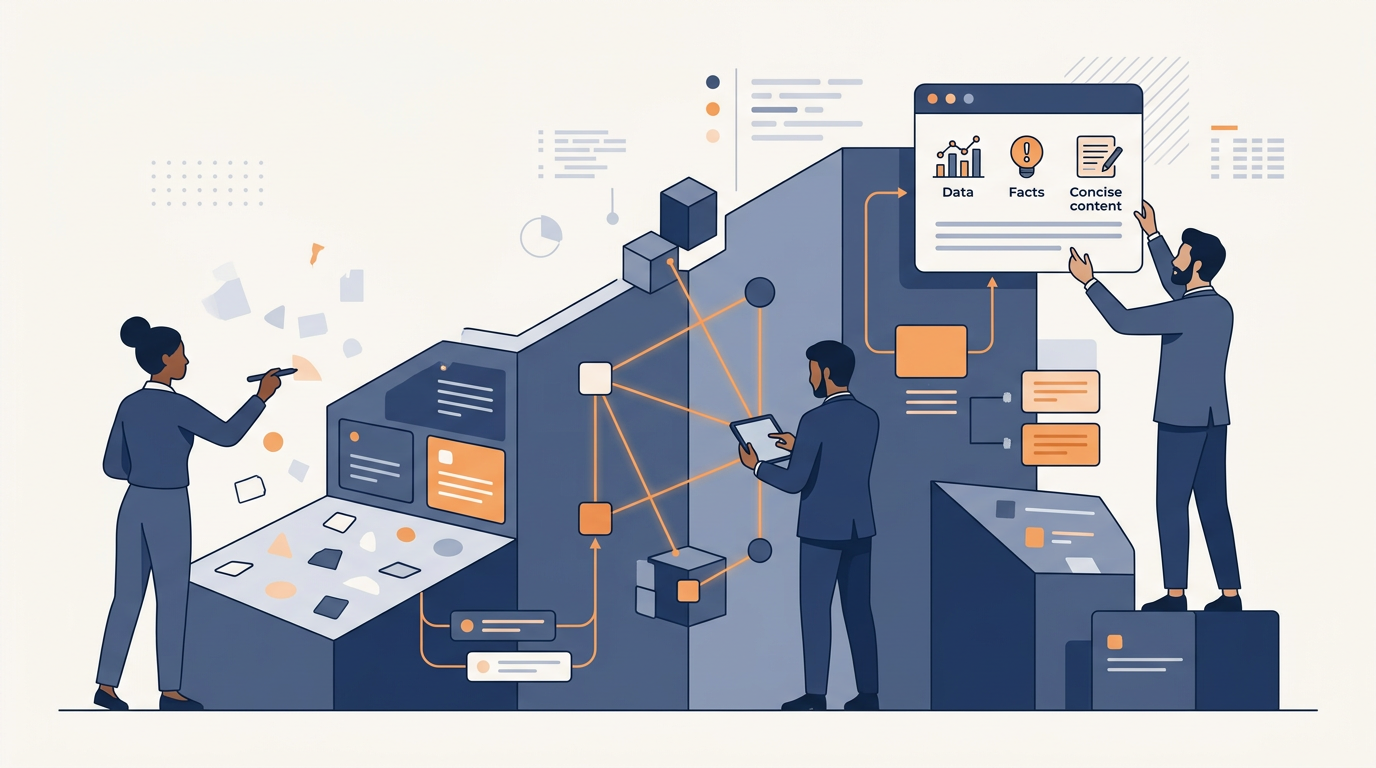
- Reframing H2 and H3 headers as natural questions (“How does X work?” vs “X overview”)
- Leading each content section with a direct, concise answer in the first paragraph — the “definition-first” pattern AI engines often cite verbatim
- Using structured formats (numbered lists, comparison tables) AI engines prefer to extract
- Factual density — replacing vague generalities with specific, verifiable claims
2. Schema and Structured Data
- FAQ schema — extractable question-answer pairs
- HowTo schema — step-by-step content
- Article schema with author and reviewer attribution
- Person schema — credentialed authors
- Organization schema — clear brand entity
- DefinedTerm schema — glossary and definition content
3. Authority and EEAT
AI engines lean heavily on authority signals when choosing what to cite. EEAT work for AEO includes:
- Visible credentialing of content authors
- Cross-platform expert presence (LinkedIn, conferences, publications)
- External editorial coverage
- Schema markup linking authors to verifiable credentials
4. Entity Completeness
- Explicit naming of entities (people, organisations, products, concepts)
- Clear connections between your brand and relevant topics
- Wikipedia and knowledge graph presence where genuinely warranted
5. Monitoring Across AI Engines
Because AEO performance is still immature to measure automatically, agencies and in-house teams sample manually — querying priority topics across major AI engines, recording citation patterns, and adjusting strategy based on observed behaviour.
AEO vs GEO — Are They Different Things?
You’ll see both “AEO” and “GEO” (Generative Engine Optimisation) used in this space. The distinction isn’t universally agreed, but a useful framing:
- AEO focuses on optimising for answer engines that primarily synthesise information to answer specific queries — AI Overviews, Perplexity, ChatGPT Search.
- GEO is broader — covering optimisation for generative AI engines across multiple use cases beyond direct answering: creative tasks, multi-turn conversations, agent-based workflows, research and synthesis.
In practice, the disciplines overlap substantially. Most work relevant to one is relevant to the other. For deeper GEO context, see our Generative Engine Optimization Services guide and GEO Services page.
Why AEO Matters for Your Business
Commercial impact of AEO depends on your category:

High-impact categories:
– B2B SaaS and software — decision-makers increasingly research through ChatGPT, Claude, and Perplexity
– Professional services — clients evaluating consultancies, agencies, advisors
– Medical and healthcare — patients and caregivers researching conditions and providers
– Financial services — consumers evaluating products, comparing options
– Education — students and parents comparing programmes
– Tech review — buyers researching products
Lower-impact categories:
– Hyperlocal services — “plumber near me” still primarily served by Local Pack
– Pure e-commerce transactions — typically drive through traditional search + Shopping
– Entertainment and lifestyle — less AI-mediated currently
If your category has informational research behaviour preceding commercial decisions, AEO investment matters. If your category is transactional or hyperlocal, AEO is lower priority (though still not zero).
The Honest State of AEO Practice in 2026
AEO is still a young discipline. Some honest acknowledgements:
Measurement is immature. Manual sampling across AI engines is still the primary measurement approach. Automated tracking is emerging but imperfect.
Best practices are still forming. Patterns observed today may not hold as AI engines evolve. The field is iterating rapidly.
Causation is hard to establish. When AI engines cite your content, it’s often hard to know exactly why — which makes tactical iteration slower than traditional SEO.
Tooling is catching up. Specialist AEO tools exist but are less mature than traditional SEO tooling. Expect this to improve over 2026-2027.
Many “AEO experts” are learning in public. The gap between genuine expertise and opportunistic positioning is wider here than in mature SEO.
Approach AEO with appropriate skepticism of overconfident claims — including claims from anyone (including us) that AEO is a fully solved problem.
Common AEO Misconceptions
Patterns worth correcting:

“AEO is replacing SEO.” It’s adding to, not replacing. Traditional Google search still drives the majority of organic discovery for most businesses. AEO is additive for the next several years.
“You need completely new content for AEO.” Much existing content can be substantially improved for AEO through structural editing — clearer question headers, definition-first paragraphs, better source attribution. Full rewrites usually aren’t required.
“AEO is just about schema markup.” Schema matters, but AEO also depends on authority signals, content structure, entity clarity, and factual density. Schema alone isn’t sufficient.
“AI content gets cited by AI engines.” Ironically, AI-generated content without substantive human editing is often the least likely to be cited — AI engines increasingly identify and deprioritise derivative AI content.
“You can’t measure AEO.” You can — it’s just harder than traditional SEO measurement. Manual sampling across AI engines and citation tracking works, just requires more effort than automated dashboards.
How to Get Started with AEO
If you’re convinced AEO matters for your business and want to start, a practical path:
Step 1: Baseline measurement. Sample 20-30 priority queries across Google AI Overviews, Perplexity, and ChatGPT Search. Record when your brand appears, when competitors appear, and in what context.
Step 2: Content audit. Review existing high-value content through an AEO lens. Are headers framed as questions? Are answers direct and extractable? Is source attribution present? Is factual density sufficient?
Step 3: Schema implementation. Ensure FAQ, HowTo, Article, Person, and Organization schema are implemented correctly across priority pages.
Step 4: Prioritised content optimisation. Apply AEO patterns to highest-commercial-value existing content first. Create new AEO-optimised content for important queries where existing content doesn’t exist.
Step 5: Monitor and iterate. Repeat sampling monthly. Track citation patterns. Adjust strategy based on observed behaviour.
Most of this work integrates with existing SEO efforts rather than running separately. See our AEO Services for how we approach this.
FAQ — What Is AEO?
What does AEO stand for?
Answer Engine Optimisation. It’s the practice of optimising content to be cited by AI-powered answer engines like Google AI Overviews, Perplexity, and ChatGPT Search.
Is AEO different from SEO?
Related but distinct. SEO optimises for ranked search results; AEO optimises for citation in AI answers. The disciplines overlap substantially but have meaningful differences in methodology.
Is AEO a real thing or just marketing hype?
It’s a real and durable discipline. The specific tactics will evolve, but the underlying need — optimising for AI-mediated discovery — is structural. AEO isn’t going away.
Which AI engines does AEO cover?
Google AI Overviews, Perplexity, ChatGPT Search, Claude (with search), Copilot, You.com, Brave Search, and emerging platforms. Each has distinct citation patterns.
How do I optimise my content for AEO?
Key tactics: frame headers as questions, lead with direct answers in definition-first paragraphs, increase factual density, cite authoritative sources, implement FAQ and HowTo schema, build author/entity authority signals.
Can I measure AEO performance?
Yes, but it’s harder than SEO measurement. Manual sampling across AI engines, citation frequency tracking, and brand mention analysis are the primary methods. Automated tooling is emerging.
Should I prioritise AEO over SEO?
Generally no. Traditional Google search still drives most organic discovery. AEO is additive — capture emerging visibility while maintaining SEO that still dominates traditional discovery.
Who should do AEO work — SEO team or specialist AEO agency?
For most businesses, an SEO provider capable of AEO is preferable to separate providers. Coordination overhead between separate AEO and SEO agencies rarely justifies the specialisation benefit.
Is AEO more or less expensive than SEO?
Currently, AEO work adds a premium (20-40%) when layered on standard SEO retainers, or runs SGD 4,000-12,000/month as standalone engagements. As the category matures, pricing should normalise.
Considering AEO for Your Business?
If you want to understand whether AEO investment makes sense for your Singapore business right now — or whether you should wait — reach out for an honest conversation about your situation.
Book a free 30-minute consultation.
Related Reading
- AEO Agency: What Answer Engine Optimisation Looks Like in Practice
- AEO Certification: Is It Worth It in 2026?
- Generative Engine Optimization Services
- AEO Services — our full methodology
- GEO Services — the GEO counterpart
- Semantic Gap Identification — related AI visibility concept