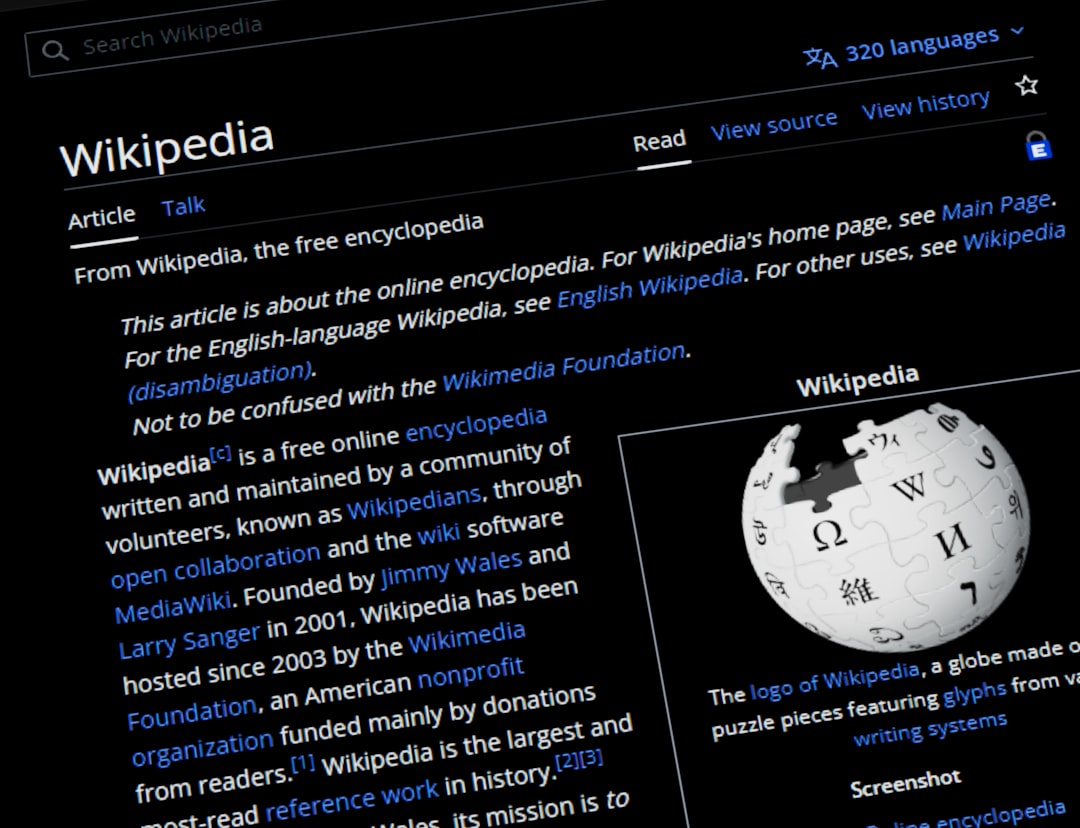
Wikipedia presence and broader knowledge graph optimisation are among the highest-leverage authority-building activities most businesses don’t pursue. Wikipedia is heavily weighted in LLM training data, search engine knowledge graphs, and AI citation systems. Wikidata feeds structured brand data across the web. Brands with legitimate Wikipedia presence have substantial visibility advantages in modern search and AI ecosystems.
This guide covers Wikipedia and knowledge graph SEO — specifically the legitimate path to inclusion (not Wikipedia manipulation, which violates community guidelines and risks reputation damage).
Why Wikipedia and Knowledge Graphs Matter
Three structural reasons:
LLM training data weighting. Large language models heavily weight Wikipedia in training data. Brands present in Wikipedia get cited and recognised by AI engines (ChatGPT, Claude, Perplexity) substantially more than equivalent brands without Wikipedia presence. See GEO Services.
Search engine knowledge graph integration. Google’s Knowledge Graph and similar systems use Wikipedia as primary authoritative source. Wikipedia presence affects branded knowledge panel display, entity recognition, and SERP enhancement.
Authority signal across the web. Other sources cite Wikipedia. Wikipedia presence creates network effects of citation that amplify other authority signals.
AI citation patterns. AI engines preferentially cite content from authoritative entities. Wikipedia presence is among the strongest authority signals.
Wikipedia Notability — Can Your Business Be Listed?
Wikipedia’s notability standards are specific and strictly enforced.
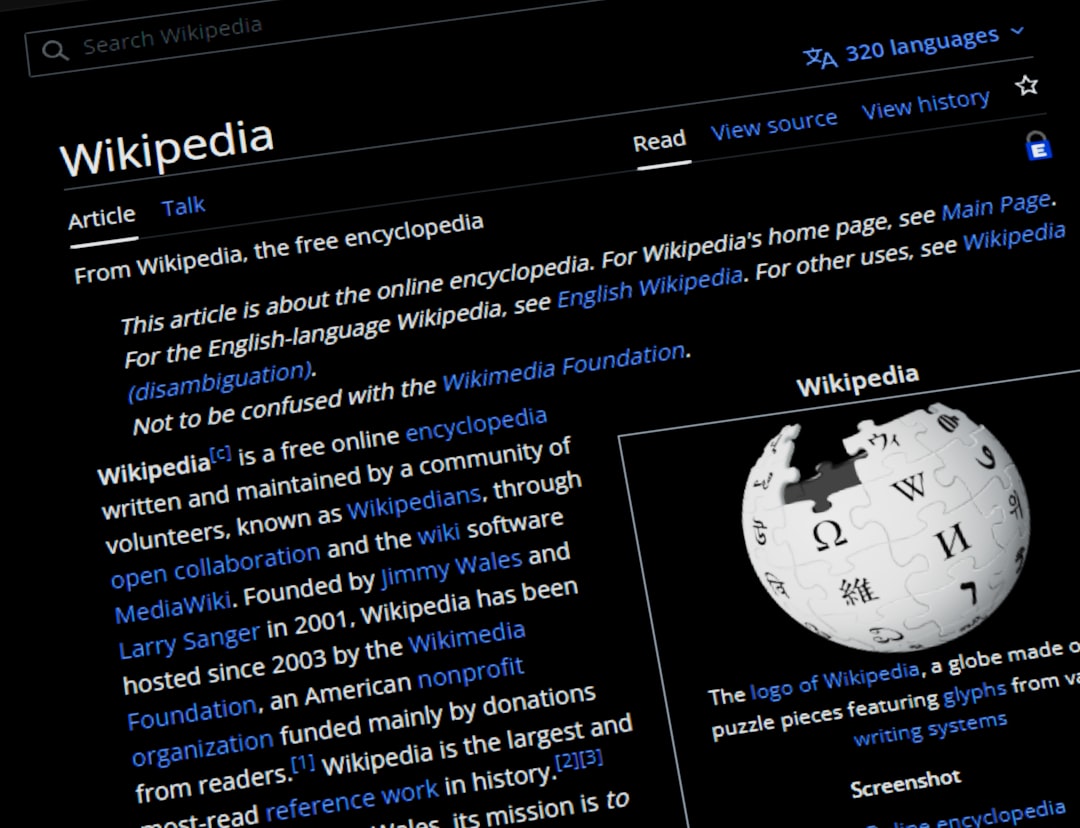
General notability requirement: Subject must have received “significant coverage in reliable sources that are independent of the subject.”
For businesses specifically (notability for organisations):
– Coverage in reliable, independent secondary sources
– Multiple independent sources (not just one feature)
– Substantive coverage (not just brief mentions)
– Reliable sources (recognised publications with editorial standards)
Insufficient for notability:
– Self-published content
– Press releases
– Routine coverage
– Sponsored content
– Listings in directories
Most small businesses don’t meet notability standards. Most growth-stage companies meet them only after substantial earned media coverage.
When Wikipedia Inclusion Is Achievable
Realistic paths to legitimate Wikipedia inclusion:
Established companies with substantive media coverage. Multi-year track record of feature coverage in business press, industry publications, mainstream media.
Companies with significant business milestones. IPO, major fundraising, market-leading position in defined category, substantial acquisitions.
Founders with notable individual achievements. Founder Wikipedia pages possible when founder meets person notability standards (significant published works, awards, media coverage).
Companies in inherently noteworthy categories. Publicly-traded companies, government-linked entities, cultural institutions.
Companies with substantial original research or data assets producing recurring citation in industry coverage.
What Wikipedia Inclusion Doesn’t Require
Paying for inclusion. Direct payment for Wikipedia editing/inclusion violates Wikipedia community guidelines. “Wikipedia services” promising paid inclusion typically use deceptive practices likely to backfire.
Self-editing. Direct editing about your own business strongly discouraged by Wikipedia. Conflict of interest disclosure required if editing.
Aggressive promotion. Wikipedia is encyclopedia, not marketing platform. Promotional content gets removed.
Legitimate Path to Wikipedia Inclusion
If your business genuinely meets notability standards:
Step 1: Build Notability Foundation
Before considering Wikipedia, ensure substantial earned media foundation:
– Multiple feature articles in major publications over multiple years
– Coverage from independent journalists, not press releases
– Substantive coverage (not brief mentions)
– Editorial coverage (not sponsored content)
This often takes 3-7 years of business development and PR investment. See Digital PR Singapore.
Step 2: Engage Established Wikipedia Editors
For company subjects, engaging experienced Wikipedia editors (with appropriate conflict-of-interest disclosure) often produces better outcomes than direct attempts.
Wikipedia maintains lists of editors-for-hire — though paid editing remains controversial and requires strict guideline compliance.
Step 3: Substantive Article Creation
If notability supported, article creation requires:
– Comprehensive coverage of business based on independent sources
– Neutral tone (encyclopedic, not promotional)
– Citation to multiple independent reliable sources
– Adherence to Wikipedia’s manual of style
Step 4: Patient Iteration
Wikipedia article submissions often face initial rejection. Iteration, additional sourcing, neutrality improvements typically required.
Approval timeline: weeks to months.
Step 5: Ongoing Maintenance
Once approved:
– Monitor for vandalism or inappropriate edits
– Update with new significant developments
– Maintain neutrality through transitions
What Not to Do With Wikipedia
Pay for fake notability. Manufactured “coverage” detected by experienced editors.
Aggressive promotional editing. Removed quickly; can result in editor sanctions.
Sock puppet accounts. Multiple accounts created to influence article. Severely sanctioned.
Vendor with vague approach. Wikipedia “experts” promising guaranteed inclusion without notability foundation typically violate guidelines.
Treating Wikipedia as marketing platform. Wikipedia’s purpose is encyclopedic; marketing motivations clear in article style get removed.
Wikidata — More Accessible Than Wikipedia
Wikidata is Wikipedia’s structured data project. More accessible inclusion than Wikipedia article:
Wikidata items can exist for organisations, products, people, concepts that don’t yet meet Wikipedia notability standards.
Structured data feeds Google Knowledge Graph and various other systems.
Updates and maintenance more accessible than Wikipedia.
For businesses unable to meet Wikipedia notability standards, Wikidata presence provides some entity authority benefits.
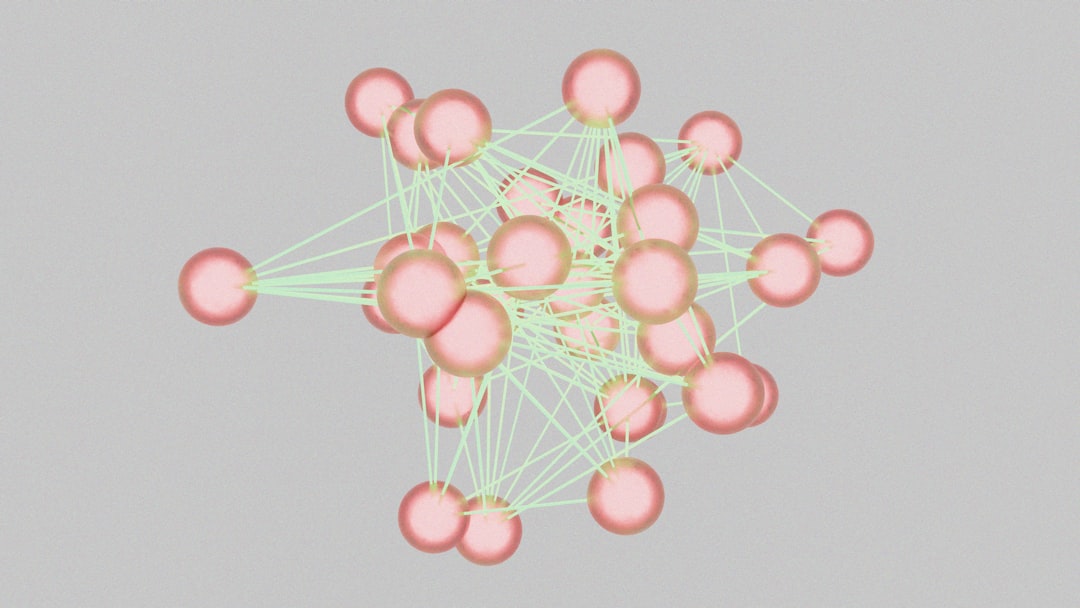
Knowledge Graph Optimisation
Beyond Wikipedia/Wikidata, broader knowledge graph optimisation:
Google Knowledge Graph:
– Influenced by Wikipedia, Wikidata, structured data on owned site
– Knowledge panel display for branded searches
– Entity recognition for branded queries
Bing Knowledge Graph:
– Similar to Google
– Less SEO weight but contributes to overall authority
Apple Maps and similar:
– Local business knowledge graphs
– Affect search and discovery on respective platforms
Industry-specific knowledge bases:
– Crunchbase, AngelList, LinkedIn for business data
– IMDb for entertainment industry
– Industry-specific platforms per vertical
Strong presence across these platforms reinforces entity authority.
Schema and sameAs Strategy
Connecting your Organization schema to authoritative entity references via sameAs property:
{
  "@type": "Organization",
  "name": "Sovereign SEO",
  "url": "https://freelanceseo.sg",
  "sameAs": [
    "https://en.wikipedia.org/wiki/...",
    "https://www.wikidata.org/wiki/...",
    "https://www.crunchbase.com/...",
    "https://www.linkedin.com/company/..."
  ]
}
These sameAs links signal entity equivalence to search engines, reinforcing knowledge graph connection.
See Schema Markup Implementation.
Pricing for Knowledge Graph Strategy
- Wikidata setup and basic knowledge graph optimisation: SGD 2,500-6,000 one-time
- Wikipedia article project (when notability supported): SGD 5,000-25,000 (variable based on complexity and editor relationships)
- Comprehensive entity authority programmes: SGD 5,000-15,000/month integrated with broader SEO/PR work
FAQ — Wikipedia and Knowledge Graph SEO
Can my business get a Wikipedia page?
Only if meeting Wikipedia notability standards (significant independent media coverage). Most small/medium businesses don’t meet standards. Larger established businesses with substantial coverage may.
Should I pay someone to create my Wikipedia page?
Carefully. Many “Wikipedia services” violate community guidelines. Legitimate paid editing requires strict conflict-of-interest disclosure. Approach with skepticism.
How important is Wikipedia for SEO in 2026?
Increasingly important as AI engines lean on Wikipedia for training and citation. Substantial authority advantage for businesses with legitimate inclusion.
What’s the difference between Wikipedia and Wikidata?
Wikipedia: encyclopedic articles. Wikidata: structured data items. Wikidata more accessible for businesses not meeting Wikipedia notability.
Can I edit my own Wikipedia page?
Strongly discouraged due to conflict of interest. Disclosure required if editing about own subject.
How long does Wikipedia article approval take?
Weeks to months typical. Often requires iteration based on editor feedback.
What if my Wikipedia article gets deleted?
Common occurrence for borderline notability cases. Build notability further (more independent coverage), then resubmit.
Discuss Your Entity Authority Strategy
If you want strategic conversation about entity authority building for your Singapore business, reach out.
Book a free 30-minute consultation or email [email protected].
Related Reading
- GEO Services — generative engine optimisation
- Generative Engine Optimization Services — GEO methodology
- Digital PR Singapore — building notability foundation
- Schema Markup Implementation — sameAs implementation
- Brand Mentions and Unlinked Citations — adjacent authority work
- Complete Guide to SEO in Singapore — pillar overview