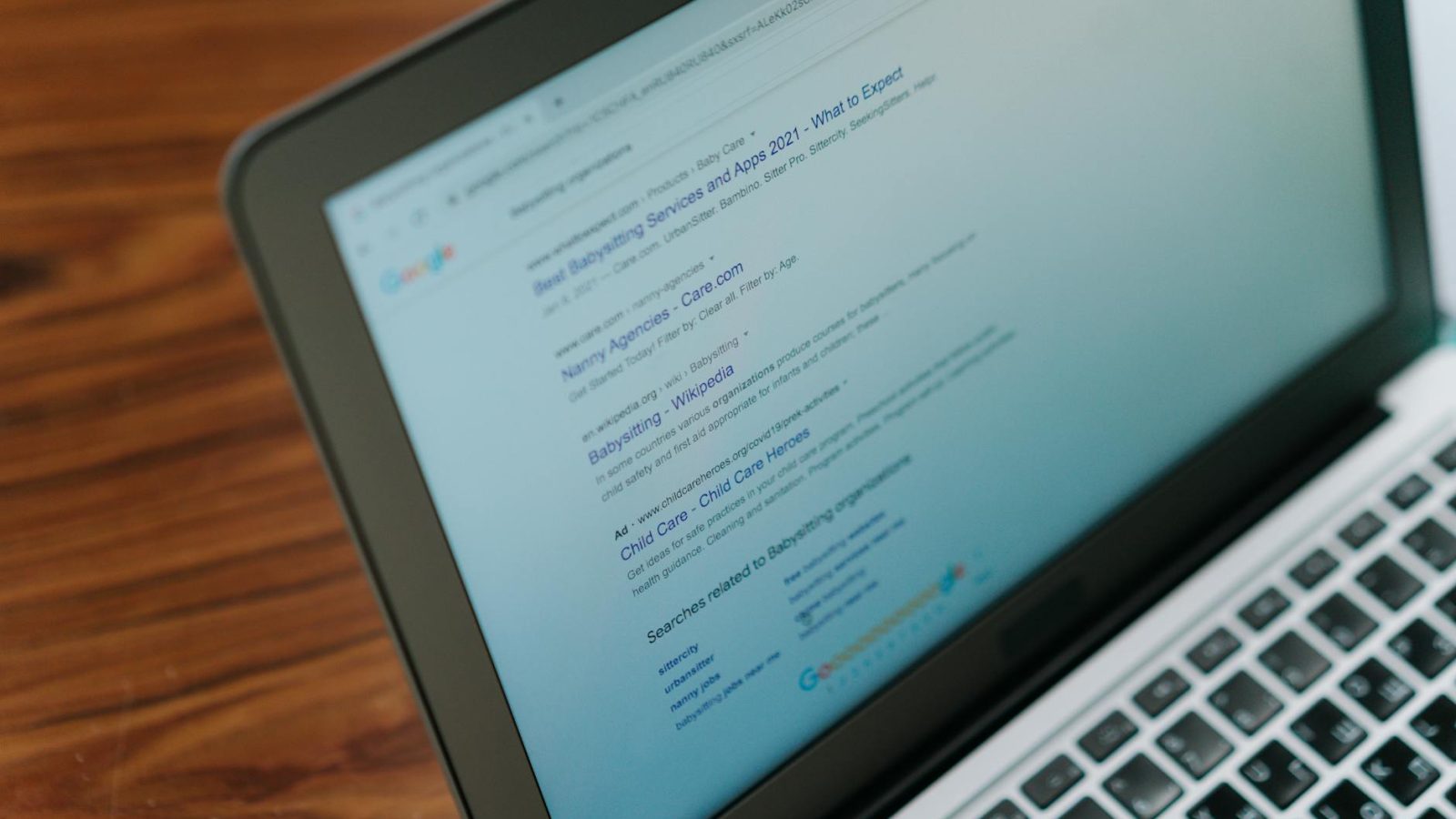
Featured snippets — the answer boxes that sit above the first organic result — used to be the clearest “position zero” prize in SEO. Win the snippet, win the query. Between 2016 and 2022, capturing featured snippets was one of the highest-leverage tactical moves available. In 2026, the picture is more complicated because AI Overviews now sit above featured snippets on 15-30% of queries, cannibalising clicks on the snippets that would otherwise have captured them.
But featured snippets are not obsolete. They still appear on roughly 15-20% of informational queries in Singapore search. Where they appear without an AI Overview above them, they continue to drive meaningful click-through. And the content patterns that win featured snippets are the same patterns that get quoted in AI Overviews, which means a single investment serves both surfaces.
This article covers realistic featured snippet strategy in 2026 — what’s worth chasing, what’s changed, and the specific formats and content structures that capture snippets when they’re available.
How Featured Snippets Fit the 2026 SERP
Before optimising, understand what you’re optimising against. A typical Singapore SERP for an informational query in 2026 can contain, in some combination:
- AI Overview (when triggered)
- Featured snippet (when one is selected)
- People Also Ask box
- Video carousel or image pack
- Organic blue-link results
- Local pack (for local intent)
On any given query, only some of these appear. The featured snippet generally sits at the top of organic results when no AI Overview is present, and below the AI Overview when one is. Click-through rate on featured snippets without an AI Overview above them remains strong — often 15-30% depending on query type. When an AI Overview sits above, featured snippet CTR drops noticeably because users’ answer need is often satisfied by the AI Overview itself.
This means featured snippet strategy in 2026 has two different values: a direct click-driving value on queries without AI Overviews, and a content-positioning value on queries where the same content feeds both the snippet and the AI Overview citation. Either way, the writing is worth doing.
The Four Featured Snippet Formats
Google selects snippets in four recognisable formats. Understanding which format fits a query is half the battle.
Paragraph Snippets
The most common format — roughly 60-70% of all snippets. A 40-60 word paragraph answering a question. Usually triggered by “what is,” “why does,” “how does,” and definitional queries.
Winning pattern: open the relevant section with a direct 40-60 word answer that stands alone. Don’t lead with context or caveats. Answer first, elaborate after.
List Snippets
Ordered or unordered lists extracted from H2/H3-structured content. Triggered by “how to,” “best,” “steps to,” “types of.”
Winning pattern: use genuine HTML lists (ul/ol), not paragraphs with em-dashes. Label each item clearly. Keep list-item length consistent. Google often pulls the first 8 items and truncates, so front-load the most important items.
Table Snippets
Comparative data presented in tables. Triggered by “compare,” “vs,” pricing queries, spec queries.
Winning pattern: use proper <table> markup with clear headers. Keep tables compact (Google truncates large tables). Avoid merged cells and complex layouts. Numeric data, pricing, and comparisons are natural fits.
Video Snippets
YouTube clips with a specific moment surfaced. Triggered by “how to” queries with strong visual demonstration value.
Winning pattern: chapter-marked YouTube videos with clear timestamps and descriptive chapter titles. This is primarily a YouTube SEO play and requires video content most Singapore service businesses don’t produce at scale.
Query Types That Still Reward Snippet Chase
Not every query is worth targeting for featured snippet capture. The ones that still pay off:
Definitional queries. “What is [concept]” in your domain. These have stable search intent, clear answer format, and strong CTR when captured.
Procedural queries. “How to [task]” with a genuine step-by-step answer. Well-suited to list snippets.
Comparison queries. “X vs Y” with a clear comparison frame. Table snippets are strong here.
Long-tail informational queries. Where AI Overviews are less likely to trigger and SERP competition is lighter, snippet capture remains straightforward.
Queries where snippet chase is increasingly weak: transactional queries (the SERP is dominated by ads and shopping), broad head terms (where AI Overviews dominate and CTR is fragmented), and heavily YMYL queries (where Google prefers high-authority sources and snippet rotation is aggressive).
How Featured Snippets Relate to AI Overviews
There’s a practical observation worth stating plainly. On queries where both an AI Overview and a featured snippet appear, the content that feeds each is often the same — or very similar. The passages Google extracts for the snippet are frequently the passages cited in the AI Overview. This is because both features reward the same content qualities: direct answers, clear structure, authoritative source signals, and tight topical relevance.
The implication for strategy is that you should not think of featured snippet optimisation and AI Overview optimisation as separate disciplines. They’re the same content investment reaching two surfaces. This also means AEO work — which focuses on answer-engine readability — produces featured snippet wins as a by-product.
Content Patterns That Win Snippets
Five specific patterns that consistently capture snippets in 2026.
The Inverted Pyramid Paragraph
Every H2 section opens with a standalone 40-60 word paragraph that directly answers the question the header poses. Supporting detail, examples, and caveats follow. This pattern maps directly to paragraph snippet format and improves overall reading flow.
The 40-Word Definition
For “what is X” queries, include a dedicated definitional paragraph of 35-50 words within the first half of the article. Avoid leading with “X is defined as…” — lead with the definition itself: “A Local SEO audit is…”
The Genuine Numbered List
For procedural content, use real numbered lists with concise, complete steps. Each step should make sense out of context (because Google may extract only a subset). Include a brief opening sentence before the list describing what the list covers.
The Comparison Table
For comparison queries, include a proper HTML table with a clear header row and a limited number of comparison dimensions. Keep cell content short. Place the table high on the page — Google heavily prefers early-position tables.
The FAQ-Style Section
FAQ sections with question-format H3 or bolded questions and 2-4 sentence answers frequently produce both featured snippets and PAA appearances. Pairing this with FAQ schema markup (where appropriate for your content) improves the odds further. See our schema markup implementation guide for implementation details.
Diagnosing Lost Snippets
When you lose a snippet you previously held, there are four common causes.
Content degraded. The original content became stale, got edited into longer form, or lost the tight structured answer that won the snippet originally. Audit against what the snippet looked like when you held it.
Competitor improved. Another site published a tighter, more recent, or better-structured answer. Check what they did differently.
AI Overview replaced the snippet. On some queries, Google has shifted from showing a featured snippet to showing an AI Overview without the snippet below. This isn’t a loss you can reverse — but capturing citation within the AI Overview is a parallel objective.
Query intent shifted. Google re-interpreted the query. The SERP now favours a different format (e.g., was informational, now commercial). Match your content to the new intent or accept the loss.
Realistic Investment Level
Featured snippet work is usually a by-product of good content rather than a standalone retainer line. Within a content marketing engagement or SEO consultancy retainer, snippet targeting is applied to a few dozen priority queries, and the structural patterns are applied across all content going forward.
- Snippet audit on existing content (one-time): SGD 3,000-8,000 depending on site size.
- Snippet-oriented content rewrites: absorbed into content retainer or SGD 350-700 per page depending on depth.
- Ongoing snippet monitoring and refresh: folded into retainer.
Budget context in our Singapore SEO pricing guide.
FAQ — Featured Snippet Strategy
Are featured snippets still worth optimising for in 2026?
Yes, on queries without AI Overviews above them, where CTR remains strong. And on queries where both appear, the content that wins the snippet usually also gets cited in the AI Overview, so the investment pays twice. The honest answer is that snippet-only click-driving value has declined, but content-positioning value has increased.
How long does it take to win a featured snippet after optimising?
Typically 2-8 weeks after the content is published or re-optimised, assuming the page is already indexed and has enough topical authority to be considered. Newly launched pages take longer. Snippets also rotate — holding one consistently requires ongoing content quality.
Can I win a snippet if I’m not in the top 10 organic results?
Almost never. Google draws snippets from the top 10, usually from the top 5. If you’re not ranking organically yet, snippet optimisation is premature — focus on standard ranking factors first.
Do long articles win more snippets than short ones?
Neither format inherently wins. What matters is the presence of a tight, structured answer block that matches snippet format. A 600-word article with a perfect 45-word answer paragraph can beat a 3,000-word article whose answer is buried. Word count alone doesn’t decide.
Does schema markup help win featured snippets?
Indirectly. Schema doesn’t guarantee snippet capture, but it helps Google understand content structure, which supports selection. FAQ schema in particular supports PAA and snippet appearance for question-format content. See schema implementation for details.
What’s the difference between a featured snippet and an AI Overview citation?
A featured snippet is a specific passage extracted from a single URL and displayed as a distinct SERP block. An AI Overview is a synthesised answer drawing from multiple sources, with citations linking to source URLs. Featured snippets drive one-click traffic; AI Overview citations drive fewer but often higher-intent clicks.
Should I use tables or lists when either format could work?
Test. If you’re targeting a query where both formats could fit, look at what Google currently shows. If there’s a list snippet present, match format. If there’s a table, match table. If no snippet exists, pick the format that best serves the reader — Google’s choice often follows reader-fit.
Can I lose a featured snippet by updating my content?
Yes, easily. Rewriting the snippet-winning paragraph, expanding it past 70 words, adding caveats before the direct answer, or restructuring the section can cause loss. When updating content that holds a snippet, preserve the snippet-winning block and change surrounding content instead.
Discuss Your Snippet and SERP Strategy
If you’re trying to capture featured snippets and AI Overview citations for a set of commercial queries — or recover lost snippets — a structured content audit usually produces fast wins.
Book a free 30-minute consultation or email [email protected].
Related Reading
- AI Overviews Optimization — parallel discipline with heavy overlap.
- What Is AEO? — answer engine optimisation foundations.
- Schema Markup Implementation — structured data that supports snippet selection.
- Content Marketing Services — where snippet work typically sits in a retainer.
- Complete Guide to SEO Singapore — pillar overview.